

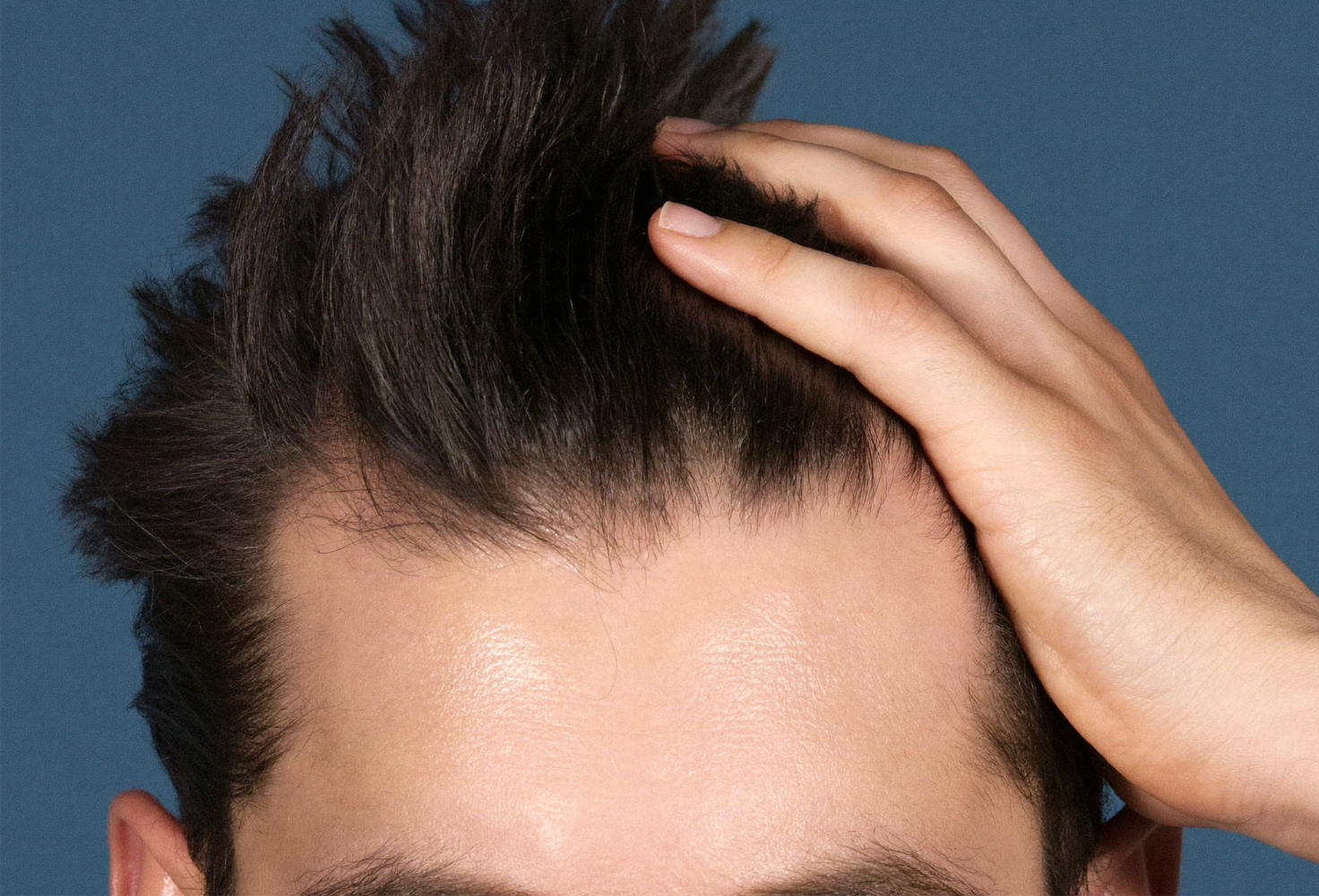
Most of us reach for a new shampoo or supplement the moment we notice our hair thinning. Fair enough, but the truth is, the most powerful thing you can do for your follicles starts long before anything touches your scalp. It starts with what's on your fork.
Hair is made almost entirely of a protein called keratin. And like every other tissue in your body, it needs a steady supply of the right nutrients to stay strong, shiny, and rooted where it belongs. Here's the part most people don't realise: when your diet falls short, your body makes a choice. It quietly redirects nutrients away from hair and nails, things it considers non-essential, and sends them to your organs instead. Your hair loses out, and you wonder why it's looking flat.
The good news? A few consistent changes to your weekly shop can make a real difference. Here are 10 foods worth making a habit of.
1. Eggs
If there's one food that earns its place at the top of this list, it's the humble egg. Eggs are one of the richest sources of both biotin and protein, the two things your follicles rely on most. Biotin is critical for keratin production, and when levels drop, you'll notice it: hair that snaps easily, feels coarse, and sheds more than usual. The whole egg matters here, by the way. The biotin is in the yolk.
2. Salmon and mackerel
Fatty fish are doing a lot of heavy lifting for your hair. The omega-3s keep your scalp from drying out and give each strand that healthy weight and shine that no conditioner can fully replicate. But the real underrated benefit? Vitamin D3. Low vitamin D is strongly linked to hair follicles that go dormant, and salmon is one of the few foods that contains a meaningful amount of it.
3. Spinach and dark leafy greens
Think of spinach as a multivitamin in leaf form. It delivers folate, iron, and vitamin A in one go. Iron is particularly important here because it helps your red blood cells carry oxygen to your scalp, fuelling the growth and repair process. Even a mild iron deficiency, the kind that doesn't always show up as tiredness, can quietly stall hair growth.
4. Berries
Blueberries, strawberries, raspberries: they're all rich in vitamin C, which does two things for your hair. First, it's a potent antioxidant that shields your follicles from the kind of low-grade damage caused by pollution and daily oxidative stress. Second, it helps your body actually absorb the iron from the greens you're eating. They work better together.
5. Avocados
Beyond the toast, avocados are genuinely useful for hair health. They're loaded with vitamin E, which supports scalp circulation and protects against oxidative damage at the follicle level. One study found that people experiencing hair loss saw around a 34% improvement in growth after eight months of vitamin E supplementation. Avocados also contain healthy fats that help your body absorb other fat-soluble vitamins, so they make the rest of your diet work harder too.
6. Sweet potatoes
Sweet potatoes are high in beta-carotene, which your body converts into vitamin A. Vitamin A tells your scalp to produce sebum, the natural oil that stops your hair from drying out and breaking. This is one of the reasons people with very restrictive diets sometimes notice their hair becoming dull and brittle. The scalp stops lubricating itself properly.
7. Walnuts and almonds
Nuts are one of the easiest ways to get a range of hair-supporting nutrients in a single handful: zinc, B vitamins, vitamin E, and essential fatty acids. Walnuts stand out for their particularly high omega-3 content, making them a good option if you don't eat fish regularly. A small daily portion is all it takes.
8. Chia seeds and flaxseeds
Seeds are your best option for plant-based omega-3s if fish isn't part of your diet. Chia and flaxseeds also bring zinc and selenium into the mix, both of which support the structural integrity of the hair shaft. They're easy to add to smoothies, yogurt, or porridge without changing the taste of anything.
9. Oysters
Oysters are, without question, the best dietary source of zinc. This matters because zinc deficiency is one of the most overlooked drivers of hair shedding, clinically known as telogen effluvium. The hair doesn't look dramatically thin at first, it just sheds more than it should, gradually. If you don't eat oysters, pumpkin seeds are the next best plant-based source.
10. Greek yogurt
Greek yogurt contains vitamin B5 (pantothenic acid), an ingredient you'll see listed on plenty of hair products. Internally, it helps improve blood flow to the scalp and has been linked to protection against hair thinning. It's also high in protein, which circles back to the keratin point. A good breakfast food that's quietly doing a lot.
The inside-out approach
Food gives your follicles what they need to produce hair. But it works best when you're also looking after the environment those follicles sit in. Pairing a nutrient-rich diet with a topical growth serum creates a genuinely two-pronged approach: nourishment from within, and targeted support from the outside.
One thing to keep in mind
Hair grows slowly, roughly half an inch per month. That means dietary changes won't show up overnight. Give it 2 to 3 months before you expect to see a visible difference in thickness or volume. The changes are real, they just take time to travel the length of a strand.
.svg)